





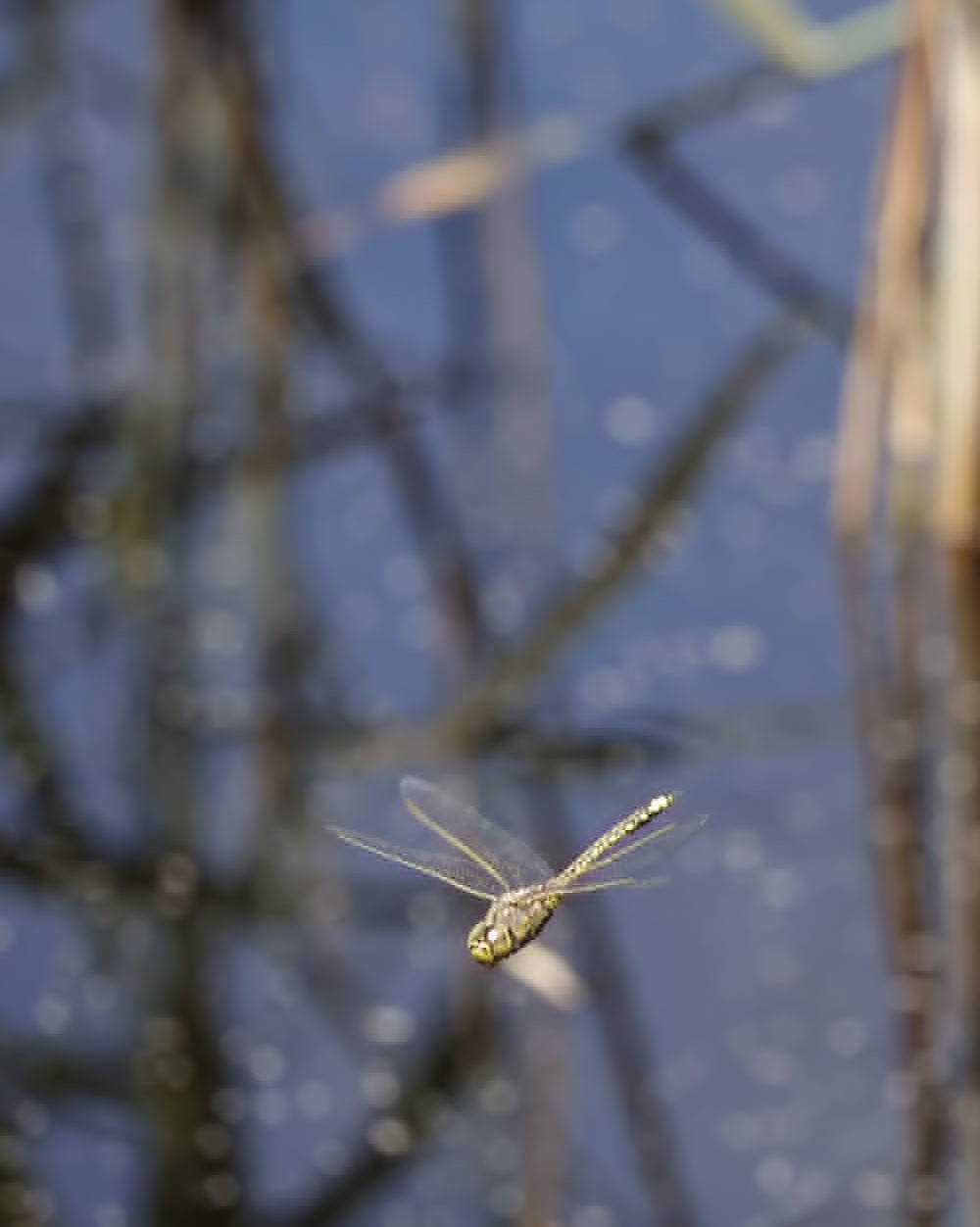
They're baaack... (R. Douglas pic)
During September the last couple of years, but especially in 2024, adult dragonflies appeared on many waters in their thousands – at least on mild days. So far this month, the same historically unusual phenomena seems to be repeating. From the Goulburn Valley to at least some of the waters around my home in Victoria's Central Highlands (and probably much further afield), they’re out and about in numbers. And as is the way with trout, they haven’t taken long to adapt to this new season meal opportunity.
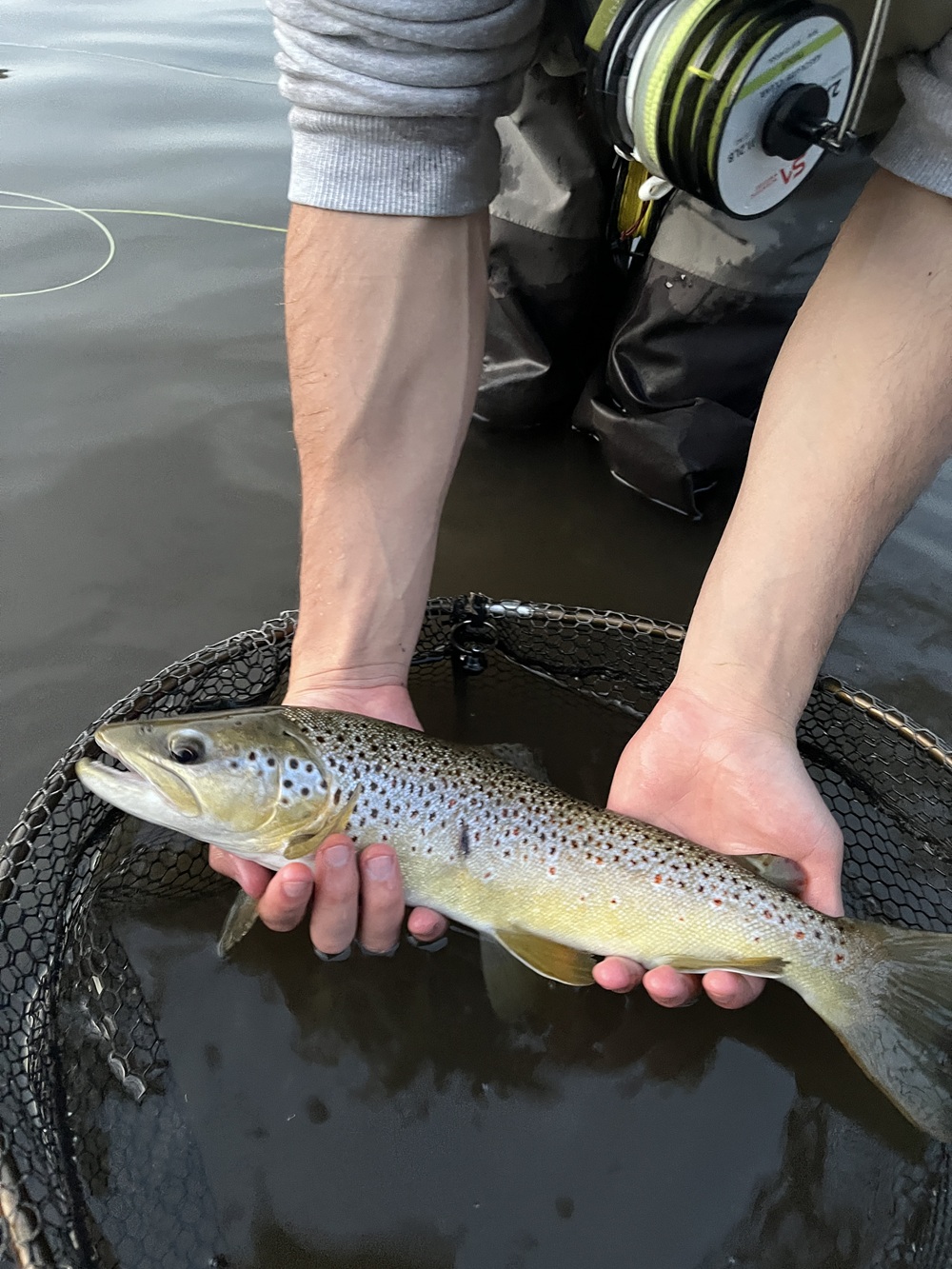
A dragonfly leaper from a Goulburn River backwater, September 2024.
There’s a whole secondary narrative here about trying to understand the reasons behind the early abundance of dragonflies: where have they come from (are we missing ridiculously early mudeye migrations?), have they ‘blown down’ from up north, or is it possible they’ve emerged from some sort of winter hibernation?
Meanwhile though, the fact is they’re out and about right now (especially if it’s mild to warm), are likely to remain so for a while, and a lot of trout are trying to eat them.
To repeat what I’ve written previously in FlyStream, at any time of year, dragonfly feeders have a reputation for being difficult to catch. Basically, the challenge for flyfishers is the trout tend to take these insects in flight. So without a mini-drone artificial (yet!), we must create a plausible illusion.
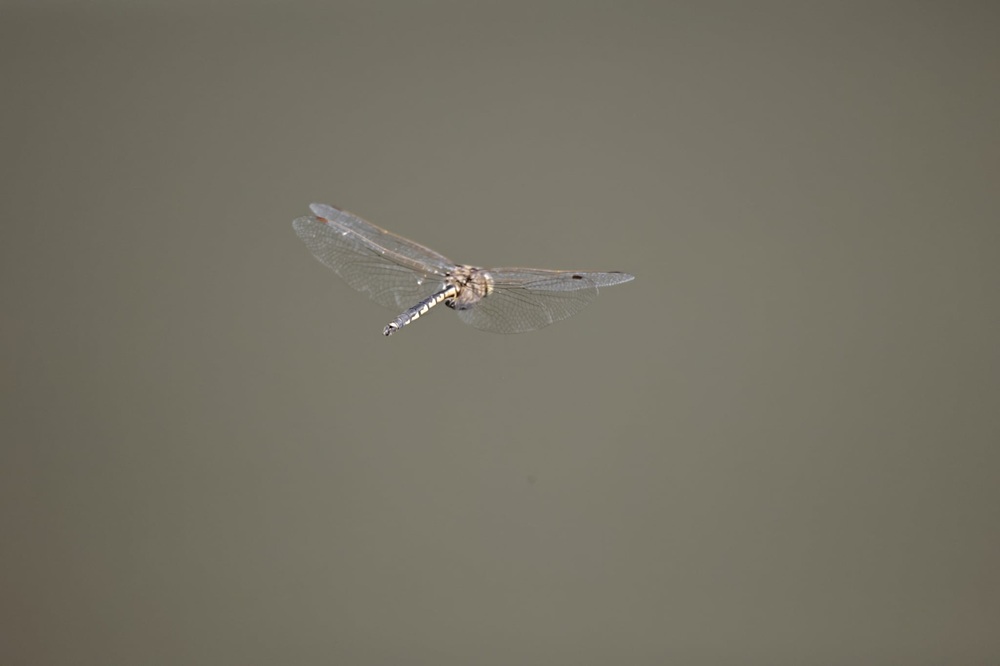
How to copy this? (R. Douglas pic)
I’ve found there seem to be three decent options:
- Covering fish with a lightly-weighted, skinny profile wet fly of roughly the same proportions as the real dragonflies, then retrieving with a fast roly-poly retrieve (or in close quarters, even a smooth ‘dibble’ with the rod). A Fulling Mill Living Damsel is a good option for this, as the woven tail retains the all-important skinny profile. At a pinch, a Magoo can work too, although as soon as the fly pauses, the tail flares out and ruins the illusion.
- Presenting a slim Booby but on a floating line and conventional leader, using a steady figure-eight retrieve with pauses. This works best in ripple – I assume in this case the foam ‘boobies’ look like the bulbous dragonfly eyes.
- Using a slim profile dragonfly dry. While there are numerous options out there, I’m settling more and more on basic foam patterns my mate Steve Dunn is working on (and I’m copying!): a fatter cylinder for the thorax, and a longer, thinner strip for the tail – marked up with a permanent marker to suggest segmentation. One of the key features here is for the tail to be soft and ‘flexible’ enough to allow the fly to crumple into the trout’s mouth, while also being tough enough to withstand being bashed around (hopefully!) by several toothy trout. This pattern works best landed on the water just ahead of a sighted trout, perhaps followed by a small twitch, although you can sometimes induce a take as per the Booby retrieve above.
Interestingly, in all cases, the addition of wings seems to add little to a pattern’s pulling power; or certainly not enough to compensate for the line twirl and casting difficulties created by wind-resistance.
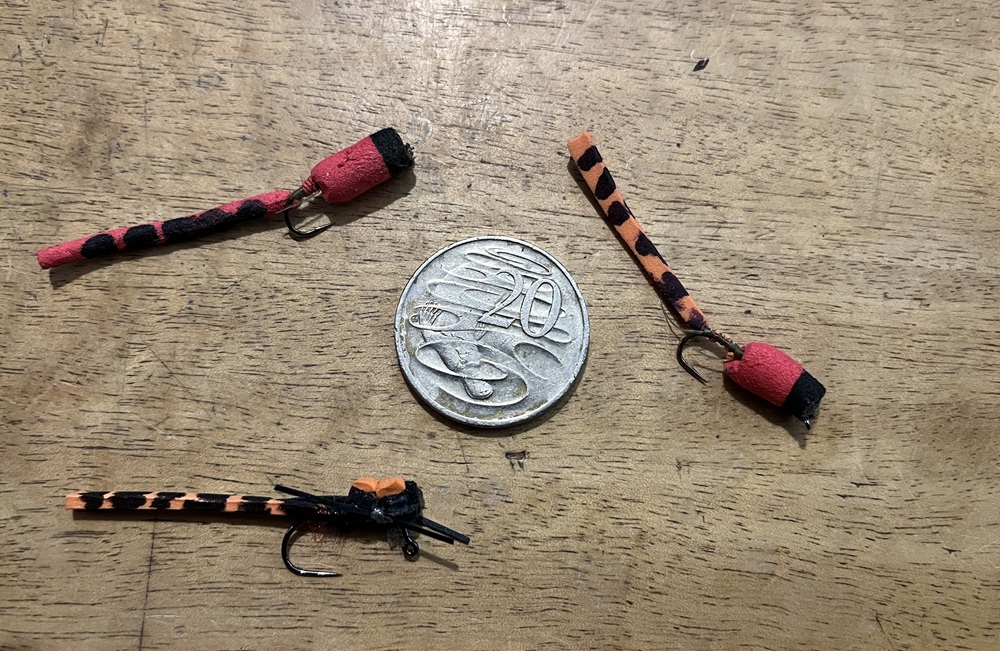
Successful foam dragonfly patterns.
Also, the reason I’ve listed three options is, on the day, one usually beats the other two, although I often can’t predict which option will succeed. Usually, that comes down to plain old trial and error. And some wind, cloud or, especially, evening light, can all help the angler’s cause. Again though, there is no neat and tidy formula.
It’s important to note that none of this is easy fishing. It could even be argued that dragonfly feeders aren’t ‘meant’ to be caught. However it turns out they can be IF you have targets, and you put the fly where an active trout can notice it.
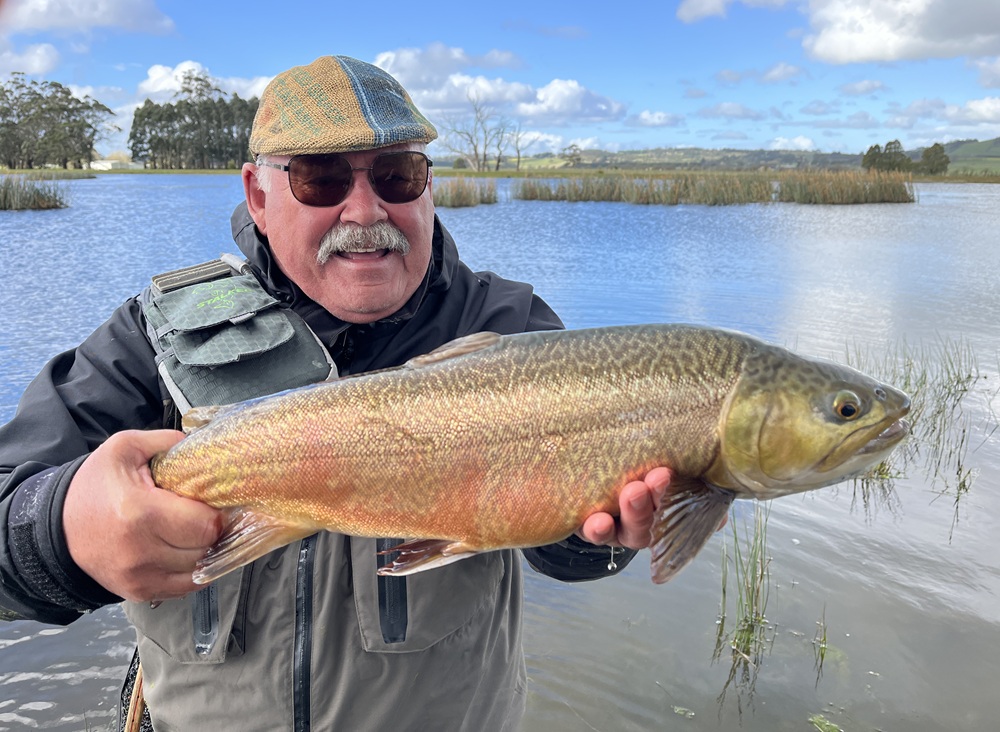
Big trout of all species feed on adult dragonflies, such as Lester's beauty from Millbrook in mid September this year, which took the tooth-marked foam pattern in the pic above (the version top left).
One possible reward for effort is trout size: the dragonfly leapers tend to be the bigger trout. So use that heavy tippet (2X is ideal) and carry a big landing net.
Will the early spring dragonflies prove to be a big deal in 2026, or will they just fade away again? Time will tell. In any case, we'll be certain to find more of these dragonfly leapers somewhere, sometime during season 2026/27, so the flies and tactics above will prove useful regardless.


