





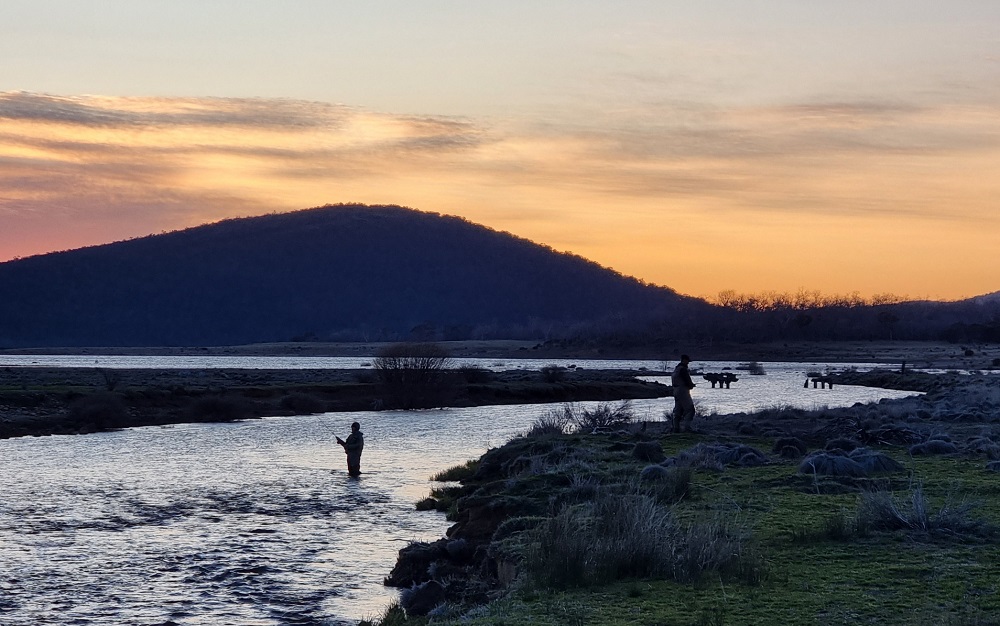
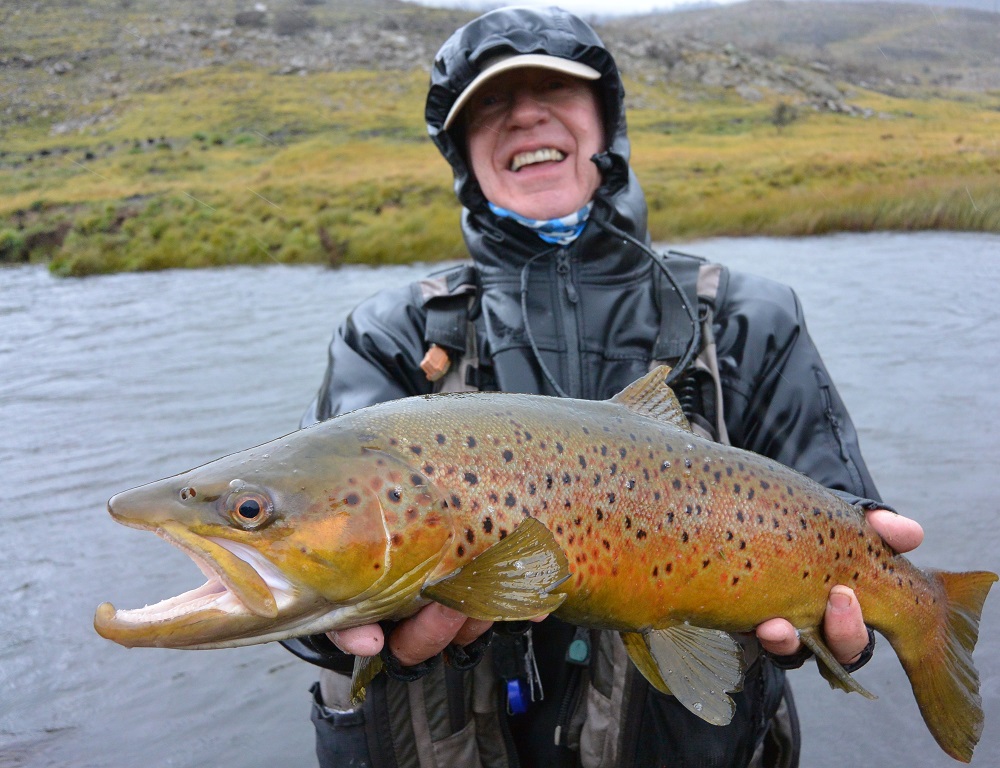
From late autumn, the Snowy Mountains fishery transforms. Frost on the grass, steam off the water, snow on the hills, and big trout on the move. Lake Eucumbene and the Eucumbene River become the centrepiece of Australian winter flyfishing, drawing anglers chasing heavy brown trout and hard-fighting rainbows pushing upstream to spawn.
It’s one of those trips every trout angler should experience at least once. Cold hands, early starts, good mates, hot coffee, and the very real chance of connecting to the biggest trout you’ll see all season.
When It Fires
The main run generally builds through late autumn into the start of winter. (The Eucumbene River closes to all fishing at midnight on the Monday of the June long weekend - this year being Monday 8 June. The lake remains open all year. Check the regs. in detail here.) Rainfall, inflows and water temperatures playing a huge role in fish movement. A fresh rise in water after rain can see new fish flood into the river overnight.
Some days the fish seem to be everywhere. Other days they feel impossible to find. Stay mobile, fish hard, and keep your confidence up.
River Fishing: Eggs Win
Once trout are in the river, egg patterns become a major player. Dislodged eggs are a natural food source and fish quickly key in on them.
Best Flies for the River
- Glo Bugs in orange, peach, pink and roe shades
- Soft egg patterns with a subtle translucent look
- Small nymph droppers behind an egg
- Dark coloured streamers in deep pools


Soft egg flies are especially handy when fish are pressured or sitting in slower water. They land softly, drift naturally, and often outfish brighter synthetics on tough days.
How to Fish Them
Use an indicator setup or euro style nymph rig and focus on clean dead drifts through likely holding water:
- Tailouts below pools
- Gravel spawning runs
- Walking pace glides
- Inside bends
- Drop-offs beside faster current
Adjust weight often. If you’re not occasionally touching bottom, you’re probably too light. Don't be afraid to use split shot to get down.
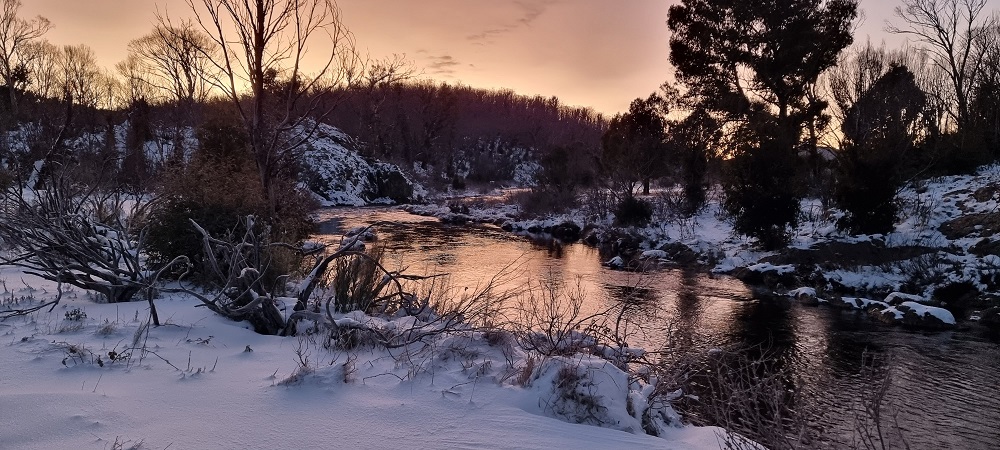
Productive Water on the Eucumbene River
The river offers a lot of accessible water, and spreading out usually improves your day.
River Mouth to Old Adaminaby area
Fish gather here before committing upstream. Great zone early and late in the run.
Providence Portal Area
A famous stretch for good reason. Strong fish movement, classic holding lies and easy reference points.
Middle Reaches
Walk beyond the obvious parking spots and you’ll often find less pressured fish.
Upper River
Smaller, more intimate water. Better for anglers who enjoy spotting fish, making accurate drifts and working for a few quality chances.
Lake Eucumbene: Daytime Cruisers & Night Sessions
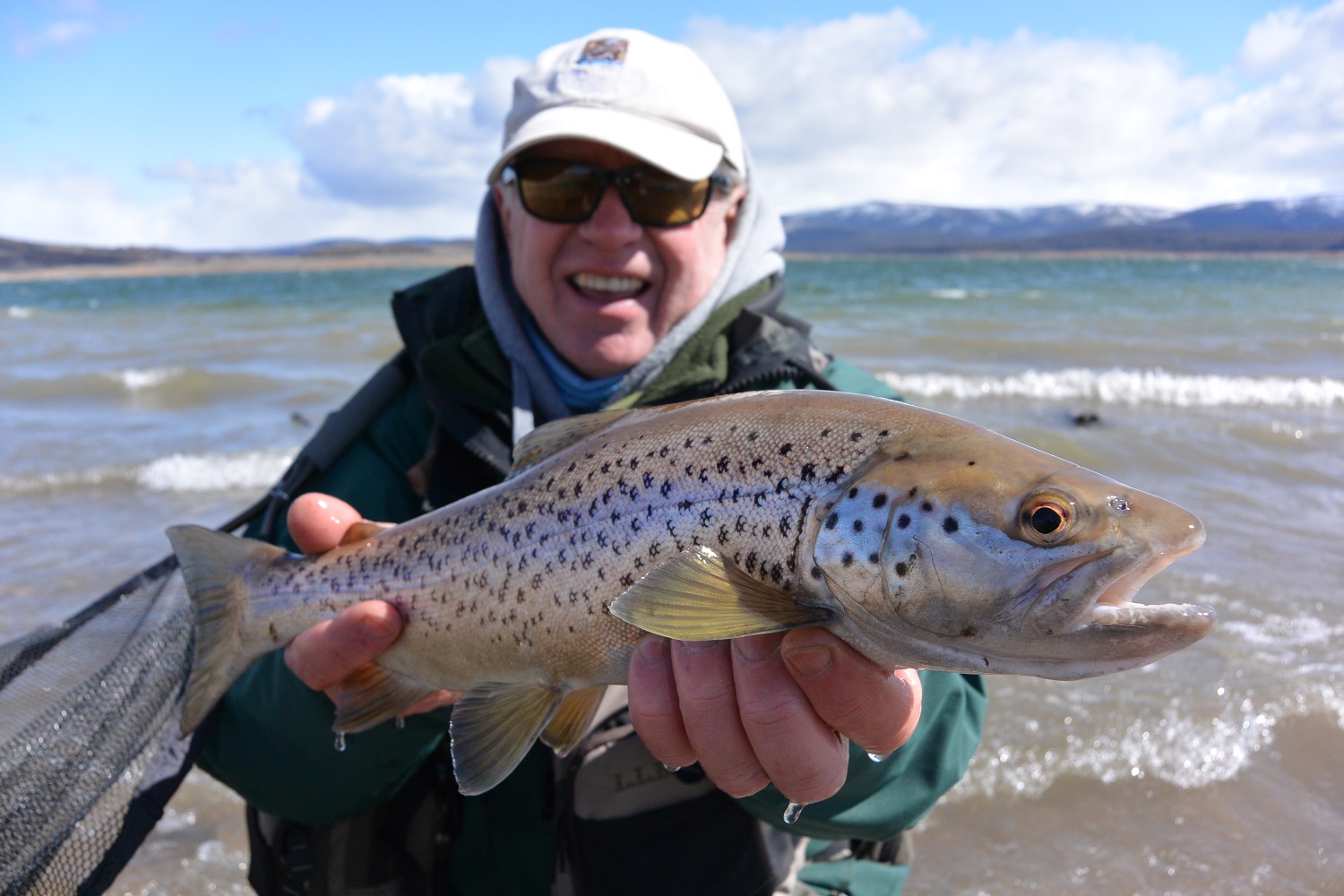
While the river gets plenty of attention, don’t overlook the lake itself. Even at the height of the river run, there are plenty of pre spawn, post spawn and maiden fish in the lake, and unlike the river, the lake season extends right through winter.
During the day, trout cruise the edges, bays and flooded margins, much as they do for most of the year. While calm, overcast conditions are ideal, don't be scared of the wind either. For example, wave action on clay banks dislodging yabbys can produce exceptional action on big wets like dark Woolly Buggers.
Meanwhile, if there's even a bit of light, polarised glasses help, and a patient angler can intercept fish with nymphs, wets or small streamers.
But the best lake fishing often happens after dark around the river mouth and for a kilometre or three below it.
Night Fishing the River Mouth
This is classic Eucumbene stuff.
Wade carefully to the drop-off and fish the transition where shallow water falls away into depths. It pays to scout the area you plan to fish in daylight, as wading can be treacherous. Depending upon the lake level, there are old river channels well away from the main river course, hummocks of shallow water, and a generally uneven bottom. Trout patrol all these zones heavily after dark, but proximity to the 'real' river channel is a plus.
Best Setup
- Intermediate sinking fly line
- 9–12lb leader
- Large #6 Woolly Buggers
- Dark streamer patterns
- Black, olive, brown or purple flies


Retrieve Styles
- Figure 8 hand twist
- Slow strips
Move slowly until you find fish. If you get a bump, a follow, or land one, stay with that area. Trout often stack up and hold in groups, so one encounter can quickly become several.
Tantangara: Possibly Worth a Day of Your Trip
Tantangara Reservoir is annoyingly difficult to access at present due to Snowy 2.0 works. From Tantangara Road, there's only limited access permitted along the western shore, and if the gate near the dam is locked (likely in winter), it's a very long and steep walk to the eastern shore. Still, if you get lucky with the wind, have a boat, or don't mind a walk, it’s a different style of fishery — open, windswept and often moody — but it can produce excellent sight fishing and aggressive takes.
Tips for Tantangara
- Fish windy shores where food is pushed in.
- If you're lucky enough to find the lake rising over grassy patches, these are a real hotspot and worth investing time in.
- Cover water until you locate fish - there can be inexplicably barren patches, followed by the opposite.
- Olive and black streamers are reliable, but also look for midging fish on calm, overcast days and on evening.
Gear You’ll Want for the Trip
Winter in the Snowies can be brutal, so the right setup matters.
Rods
A 9ft 6-weight is absolutely fine and will handle the trip well.
Ideal options:
- 10ft 6-7 weight for everything from river indicator and nymph work to lake streamers, wind and heavy fish.


The extra length helps with mending, line control and keeping more line off conflicting currents. On the lake the extra length helps you throw the flies further and cover more water, more efficiently.
Reels
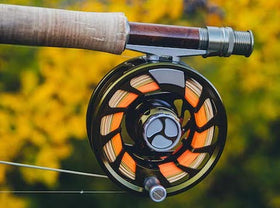
A quality large-arbor reel with a dependable drag. Big fish in current can expose cheap gear quickly.
Fly Lines
- Floating line for river work
- Intermediate sinking line for lake night sessions
- A spare spool can make switching between them easy
Essentials
- Breathable waders
- Wading staff
- Head torch
- Warm layering (merino is best - look at Skwala)
- Waterproof jacket
- Polarised sunglasses
- Net
- Gloves
- Thermos


Fish the Spawn Run Responsibly
If you're fishing the spawn run, do so responsibly.
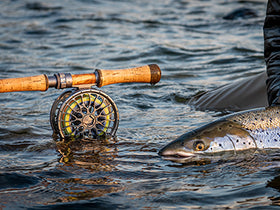
You are catching large trout at a time when they are most vulnerable. Enjoy the social side of the trip, enjoy being there with mates, but treasure the fish and keep them wet so they release well.
Maybe you don’t need to catch cricket scores of them either. Be content with a few good fish and the experience itself.
If you want a strong summer of trout fishing ahead, it pays to look after these spawning fish and let them do their job.
Final Thoughts
Eucumbene in winter is one of Australia’s great flyfishing traditions. Snowgums, icy mornings, dark water, big trout and stories around the heater afterwards.
Whether you’re drifting eggs through the river, stalking cruisers in the lake margins, or standing knee-deep at the mouth in the dark waiting for that heavy grab, it’s the sort of trip that stays with you long after you leave.


